

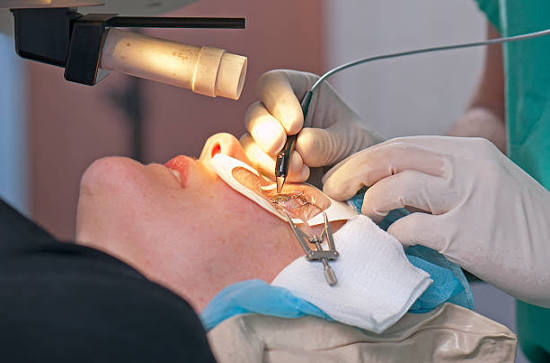
Corneal and refractive disorders affect the cornea or the direction of light in the eye and can cause blurred or distorted vision. Corneal disorders are changes in the shape, thickness, or clarity of the cornea. Refractive errors include myopia, hyperopia, astigmatism, and presbyopia. The Best Cornea and Refractive Surgeon in Chembur will perform a thorough eye examination to diagnose the disease and recommend the appropriate treatment plan.
Corneal and refractive problems may have different etiologies based on the particular problem. Corneal problems may be caused by genes, eye injury, infections, excessive rubbing of the eyes, aging, or other eye disorders, but refractive errors are caused by the length or shape of the eye. Regular eye examinations with a Chembur best cornea and refractive surgeon can help in optimal management and early detection of risk factors. We have the Best Cornea and Refractive Surgeon in Chembur.
Typical risk factors consist of:
Symptoms depend on the type and severity of the disease. Symptoms include blurred vision, difficulty seeing things close up or far away, distorted vision, glare, halos around lights, eye pain, and increased sensitivity to light. Some corneal abnormalities may be asymptomatic in the early stages and may progressively impair vision. A detailed examination from the Best Cornea and Refractive Surgeon in Chembur can help to identify the anomalies and find the root cause.
Common signs and symptoms include:
The particular corneal or refractive disease, its severity, and the patient's general eye health all influence the course of treatment. When necessary, management may involve corneal surgeries, refractive surgery, contact lenses, prescription eye drops, glasses, or other specialized therapies. A top corneal and refractive surgeon in Chembur may examine the cornea, determine the patient's visual needs, and suggest an appropriate course of therapy. Get expert advice from Dr. Shubhada Patankar, the Best Cornea and Refractive Surgeon in Chembur.
Common treatment options include: