

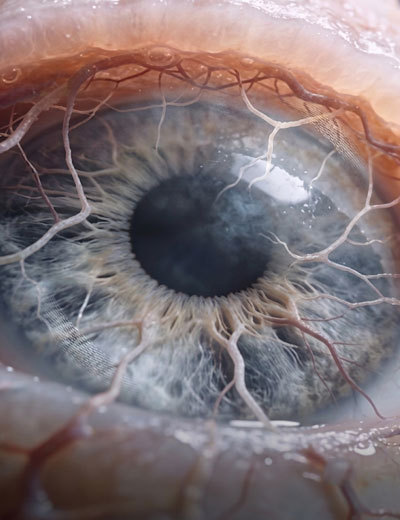
At Yuvaan Netralaya, we provide comprehensive Cornea Evaluation & Treatment to diagnose and manage a wide range of corneal disorders. The cornea is the transparent front surface of the eye that plays a vital role in focusing light for clear vision. Any disease, injury, or infection affecting the cornea can significantly impact vision. Our experienced ophthalmologists utilize advanced diagnostic technology and personalized treatment plans to preserve corneal health and restore optimal vision.
Cornea evaluation is a detailed assessment of the cornea to identify abnormalities, infections, injuries, degenerative conditions, or structural changes. Using advanced imaging and diagnostic techniques, our specialists evaluate the health, thickness, shape, and clarity of the cornea to recommend the most appropriate treatment.
A comprehensive corneal examination is recommended if you experience:
Our specialists diagnose and manage various corneal conditions, including:
At Yuvaan Netralaya, every patient undergoes a comprehensive eye examination and detailed corneal assessment. Based on the diagnosis, our ophthalmologists develop an individualized treatment plan, which may include medications, advanced non-surgical treatments, or surgical intervention when necessary. Our goal is to preserve corneal health, relieve symptoms, and improve visual outcomes through timely and effective care.
Early diagnosis and appropriate treatment of corneal conditions are essential for maintaining healthy vision. Comprehensive cornea evaluation helps identify the underlying cause of symptoms and allows timely treatment to prevent disease progression and preserve visual function.
Recovery depends on the underlying corneal condition and the type of treatment provided. Some patients respond well to medications, while others may require ongoing monitoring or additional procedures. Regular follow-up appointments help evaluate healing, monitor progress, and ensure the best possible visual outcome.
You should consult a cornea specialist if you experience persistent blurred vision, eye pain, redness, excessive watering, light sensitivity, recurrent eye infections, or have suffered an eye injury affecting the cornea.
A comprehensive cornea evaluation may include vision assessment, slit-lamp examination, corneal topography, pachymetry (corneal thickness measurement), and other advanced diagnostic tests depending on your eye condition.
Yes. Many corneal conditions can be effectively managed with medications, lubricating eye drops, therapeutic contact lenses, or other non-surgical treatments. Surgery is recommended only when necessary based on the diagnosis.
The frequency of examination depends on your eye health and any existing corneal condition. Patients with ongoing corneal disorders may require regular follow-up visits, while routine eye examinations are recommended for maintaining overall eye health.