

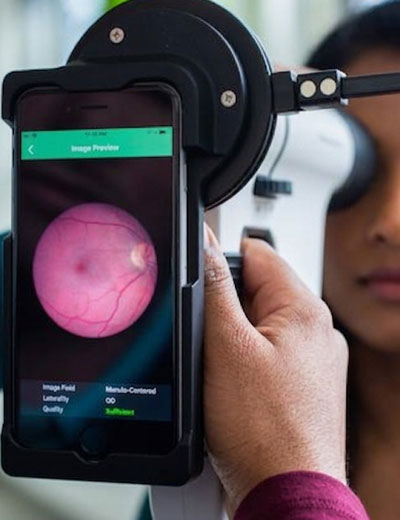
At Yuvaan Netralaya, we offer comprehensive Diabetic Retina Screening to detect diabetic eye disease at its earliest stages. Diabetes can gradually damage the tiny blood vessels of the retina, often without causing noticeable symptoms until significant vision loss occurs. Regular retinal screening helps identify these changes early, allowing timely treatment and reducing the risk of permanent vision impairment. Our experienced retina specialists use advanced imaging technology to provide accurate diagnosis and personalized care.
Diabetic Retina Screening is a detailed examination of the retina performed to detect signs of diabetic retinopathy and other diabetes-related eye complications. Using advanced retinal imaging and comprehensive eye evaluation, our specialists can identify even the earliest retinal changes before vision is affected.
Regular diabetic retinal screening is recommended for:
Diabetic retinopathy often develops without pain or early symptoms. Regular screening allows retinal changes to be detected before vision is permanently affected. Early diagnosis enables timely treatment, helping preserve eyesight and reducing the risk of severe diabetic eye complications.
At Yuvaan Netralaya, our retina specialists perform a comprehensive eye examination that may include retinal imaging, dilated fundus examination, and other advanced diagnostic tests when required. Based on the findings, we provide individualized advice, treatment recommendations, and regular follow-up plans to ensure long-term retinal health and vision preservation.
Regular diabetic retina screening plays a vital role in protecting your eyesight by detecting retinal changes before vision is affected. Early diagnosis and timely treatment can significantly reduce the risk of severe diabetic eye disease and permanent vision loss.
The frequency of retinal screening depends on your diabetic condition, blood sugar control, and retinal findings. Our retina specialists recommend individualized follow-up schedules to monitor retinal health, detect disease progression, and provide timely treatment whenever required.
Diabetes can damage the tiny blood vessels in the retina without causing early symptoms. Regular retinal screening helps detect diabetic retinopathy at an early stage, allowing timely treatment and reducing the risk of permanent vision loss.
Most people with diabetes should have a comprehensive retinal examination at least once a year. However, patients with diabetic retinopathy or poorly controlled diabetes may require more frequent follow-up as recommended by their retina specialist.
No. Diabetic retina screening is a painless and non-invasive examination. In some cases, dilating eye drops may be used to obtain a clearer view of the retina, which can cause temporary blurred vision for a few hours.
Maintaining good blood sugar, blood pressure, and cholesterol levels, along with regular diabetic retina screenings and timely treatment, can significantly reduce the risk of diabetic retinopathy and help preserve healthy vision.