

Cataracts are one of the most common causes of vision impairment, especially with advancing age. They develop gradually, causing the natural lens of the eye to become cloudy and affecting the quality of vision. Recognizing the early signs and seeking timely consultation can help preserve clear vision and improve quality of life.
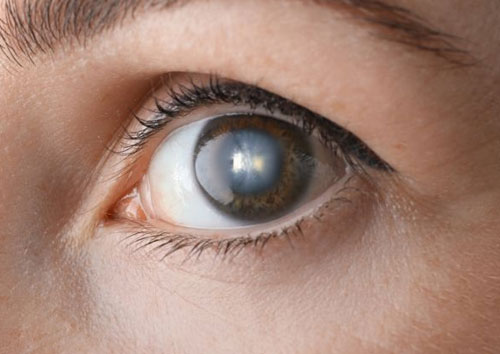
Many people overlook the initial symptoms because cataracts usually progress slowly. Regular eye examinations are essential for early diagnosis and appropriate treatment before vision becomes significantly affected.
A cataract occurs when the clear lens inside the eye becomes cloudy, preventing light from passing through properly. This leads to blurred or dull vision, making everyday activities like reading, driving, and recognizing faces more difficult.
Cataracts usually develop gradually. Some of the early warning signs include:
Although cataracts are commonly associated with ageing, several factors can increase the risk of developing them earlier.
If you notice persistent blurred vision, difficulty driving at night, glare from headlights, or frequent changes in your glasses prescription, it is advisable to schedule a comprehensive eye examination. Early evaluation helps determine the severity of the cataract and the most suitable treatment plan.
In the early stages, updated spectacles and improved lighting may temporarily improve vision. However, when cataracts begin interfering with daily activities, cataract surgery is the most effective treatment. Modern cataract surgery is a safe and advanced procedure that replaces the cloudy lens with an artificial intraocular lens (IOL) to restore clear vision.
Cataracts are highly treatable when detected at the right time. Paying attention to early symptoms and undergoing regular eye examinations can help maintain healthy vision and prevent unnecessary vision loss. If you experience any changes in your eyesight, consult an ophthalmologist for a detailed evaluation.
Protect your vision with timely eye examinations. Book your consultation at Yuvaan Netralaya for expert cataract evaluation and advanced treatment options.