

If you rely on spectacles or contact lenses for clear vision, you may have wondered whether there is a long-term solution. Refractive surgery is an advanced vision correction procedure designed to reduce or eliminate dependence on corrective eyewear. Understanding whether you are a suitable candidate begins with a comprehensive eye evaluation by an experienced ophthalmologist.
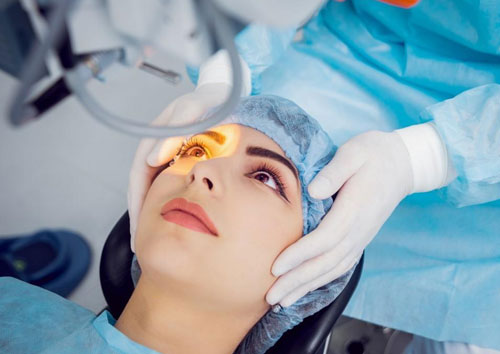
Modern refractive procedures are safe, precise, and highly effective for eligible individuals. However, the right treatment depends on several factors, including your eye health, prescription, corneal thickness, and lifestyle.
Refractive surgery is a group of procedures that reshape the cornea to improve the way light focuses on the retina. This helps correct common vision problems such as nearsightedness (myopia), farsightedness (hyperopia), and astigmatism, allowing many people to enjoy clearer vision with reduced dependence on glasses or contact lenses.
You may be a suitable candidate if you:
Refractive surgery may not be suitable for everyone. Your doctor may recommend alternative options if you have:
Before recommending refractive surgery, your ophthalmologist performs a detailed eye examination that includes vision assessment, corneal mapping, tear film evaluation, and measurement of corneal thickness. These tests help determine the safest and most effective treatment plan for your eyes.
Most patients notice improved vision within a short period after surgery. Following your doctor's instructions, using prescribed eye drops, and attending follow-up visits are important for a smooth recovery and optimal visual outcomes.
Refractive surgery can be a life-changing option for individuals seeking freedom from glasses or contact lenses. The first step is a comprehensive eye examination to determine whether you are a suitable candidate. An experienced eye specialist can guide you toward the most appropriate treatment based on your unique visual needs.
Thinking about vision correction? Schedule a comprehensive refractive surgery evaluation at Yuvaan Netralaya and discover the best treatment option for your eyes.